
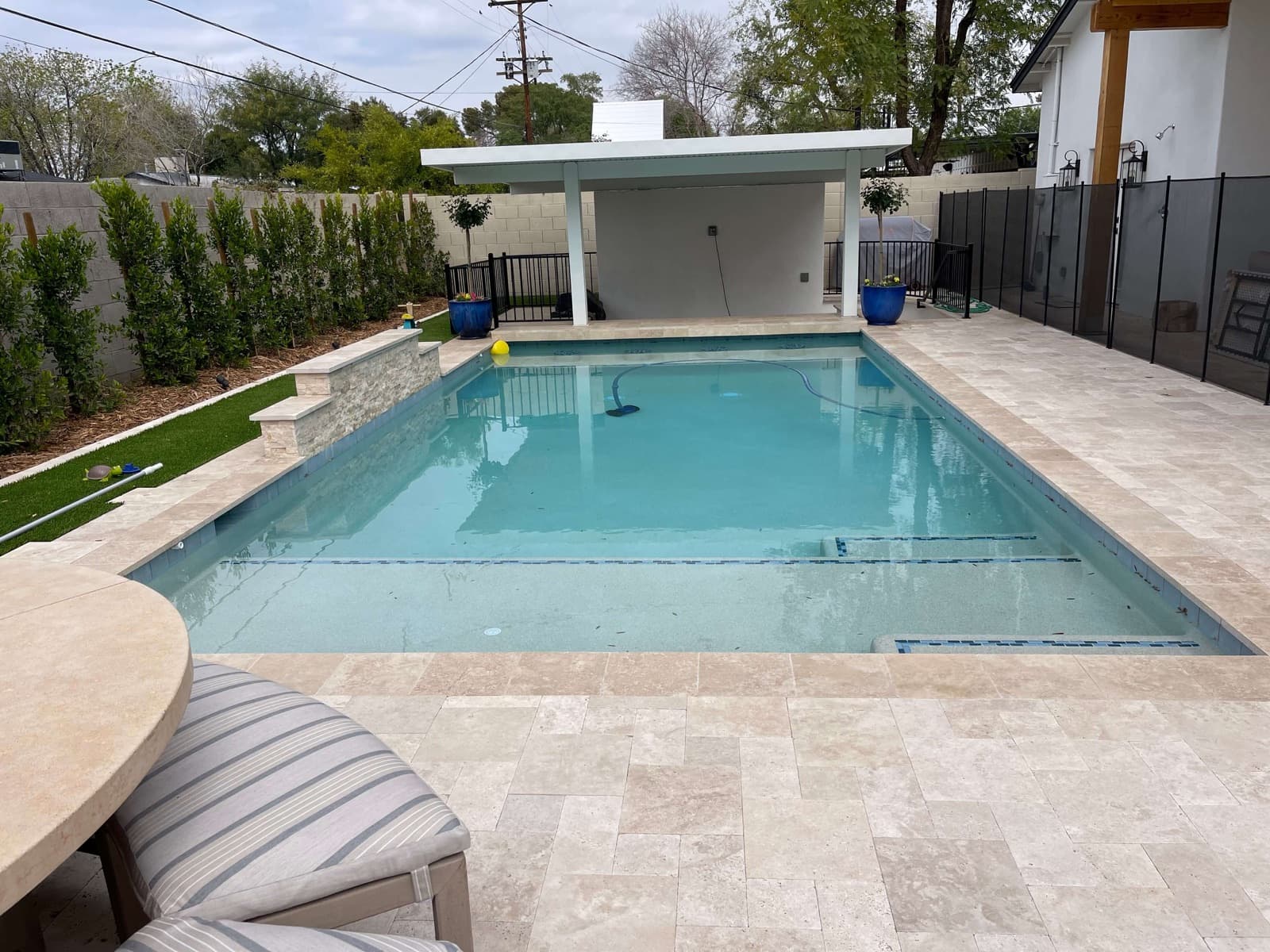
3D Pool Design Process
Do You Need a Permit to Build a Pool in Georgia? (Yes — Here's How It Works)
Quick answer: Yes — every in-ground pool in Georgia requires a county building permit, inspections, and a 48-inch barrier with self-closing, self-latching gates. A good builder pulls the permit for you; CraftYourPool includes the entire permitting process at no extra fee.
Short answer: yes. Every in-ground pool in Georgia requires a building permit from your county (or city, if you're inside city limits). The good news: if you hire the right builder, you'll never touch the paperwork — we handle the entire permitting process on every CraftYourPool build, with no extra fees. Here's what's actually involved, so you know what's being done on your behalf.
What the permit process involves
- Site plan and drawings — a survey-based plan showing the pool's location, setbacks from property lines, septic/utility clearances, and the barrier plan.
- Permit application — filed with your county building department along with contractor license info and fees.
- Inspections during the build — typically at pre-gunite/steel (bonding and structure), rough electrical and plumbing, and final (barrier, alarms, equipment).
- Final approval — the pool can't be filled and used until the final inspection passes.
The rules that matter most
- Barrier (fence) requirements — Georgia counties build on the International Residential Code: a barrier at least 48 inches high around the pool, no gaps a small child can pass through, nothing climbable on the outside, and self-closing, self-latching gates that open away from the pool. Door alarms are typically required where a house door opens directly into the pool area. (More in our pool safety guide.)
- Electrical bonding and grounding — all metal within reach of the pool and all equipment must be bonded, with GFCI protection. This is the inspection counties take most seriously, for good reason.
- Anti-entrapment drains — federal law (the Virginia Graeme Baker Act) requires compliant drain covers and proper hydraulics on every new pool.
- Setbacks — how close the pool can sit to property lines, easements, and septic systems varies by county; this is exactly what the site plan resolves before anyone digs.
County by county in our service area
We pull pool permits regularly across Northeast Georgia — Jackson County (Braselton, Jefferson), Hall County (Gainesville, Flowery Branch), Gwinnett County (Buford, Suwanee, Lawrenceville), Barrow (Winder), Forsyth (Cumming), Clarke/Oconee (Athens, Watkinsville), and beyond. The rules rhyme from county to county, but fee schedules, review times, and inspector preferences differ — knowing the local desk is part of why our builds don't stall.
How long does permitting take?
Most Northeast Georgia counties issue residential pool permits in 1–3 weeks once a complete application is submitted. Incomplete drawings are the #1 cause of delays — which is why we prepare the full package before filing. Permit review runs in parallel with design finalization, so it rarely adds time to the overall 6–8 week build schedule.
What if you're in an HOA?
The county permit and the HOA's architectural approval are two separate gates — you need both. We prepare the HOA submittal (site plan, renderings, materials) alongside the permit package. In HOA-heavy communities like Hamilton Mill in Dacula or the golf communities around Sugar Hill, we design within the covenants from the start so approval is a formality, not a fight.
The unpermitted-pool trap
Skipping the permit isn't a shortcut — it's a liability. Unpermitted pools surface during home sales (buyers' inspectors check), can void insurance coverage, and counties can require tear-out or retroactive permitting at your expense. If a builder suggests skipping permits to save money, that tells you everything about how they build.
Frequently asked questions
How much does a pool permit cost in Georgia?
Typically a few hundred dollars depending on the county and project value. On our builds the permit cost is a visible line item in the quote — never a surprise add-on.
Can I pull the permit myself as a homeowner?
In most counties, yes — but you'd take on scheduling every inspection and owning code compliance. When a licensed contractor pulls it, the contractor owns compliance. There's no upside to DIY-ing this.
Do above-ground pools need permits too?
Usually yes for anything capable of holding 24"+ of water, and the same barrier rules generally apply. Check your county's rules.
Does a pool permit raise my property taxes?
A pool adds assessed value, so expect some increase — the county assessor learns about the pool through the permit. It also adds real market value when you sell; quality outdoor living is a genuine asset in Georgia.
Get a real number for your yard
Averages only get you so far — the honest answer comes from your actual lot. CraftYourPool builds custom in-ground pools across Northeast Georgia from our home base in Braselton, with factory-direct pricing, a full 3D design of your backyard before you commit, and transparent itemized quotes. See financing options or call (762) 425-9249 for a free consultation.
About the author
Brian Hemingway brings over 30 years of experience in the pool and outdoor-living industry and serves as a consultant and writer for CraftYourPool, a licensed Georgia residential contractor and certified Pentair installer building custom in-ground pools across Northeast Georgia. Questions about your project? Call (762) 425-9249.
Ready to Design the Backyard You’ve Been Imagining?
Let’s create something extraordinary together.